
Technology for your everyday life
Tech enthusiast?

Artificial intelligence
The simulation of human intelligence enables machines and software to perform tasks, power digital applications and support associated technologies.
1

Augmented reality
The integration of three-dimensional virtual elements into a real environment enriches perception by overlaying digital information onto physical surroundings.
2

Virtual reality
Computer technologies immerse users in interactive virtual environments designed for simulation, training and digital experiences.
3

Internet of Things
The Internet of Things connects physical objects, sensors and communication technologies through web networks for data exchange and remote interaction.
4
Prototyping & printed circuit boards
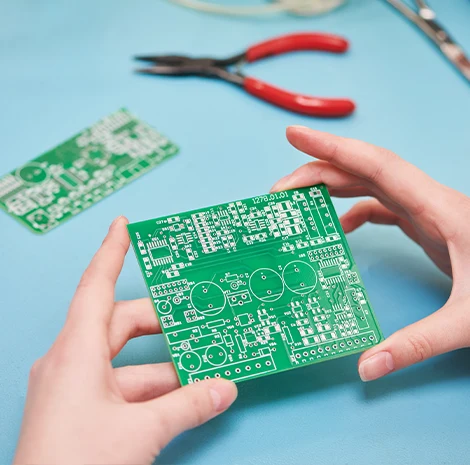
At the heart of industrial digitalization, prototyping boards and printed circuit boards support a wide range of electronic applications. In automotive, pharmaceutical and manufacturing industries, these electronic components help turn projects into functional systems with reliable, high-performance solutions.
Explore a wide range of PCB Prototype & Fabrication Manufacturer products for industrial sectors. From mechanical engineering to the textile industry, these solutions address electronic design, prototyping and IT needs across industrial applications. You benefit from customized solutions, manufactured and tested with the utmost care.
Innovation and industrial technologies

Automation and robotics
Automated processes and advances in industrial robotics help streamline production and improve operational efficiency.
1

3D printing
3D printing technology produces three-dimensional parts, functional prototypes and models from digital designs.
2

Renewable energy
Harnessing renewable energy sources through industrial practices and energy-efficient technologies supports more sustainable production.
3
Software design and specialized applications
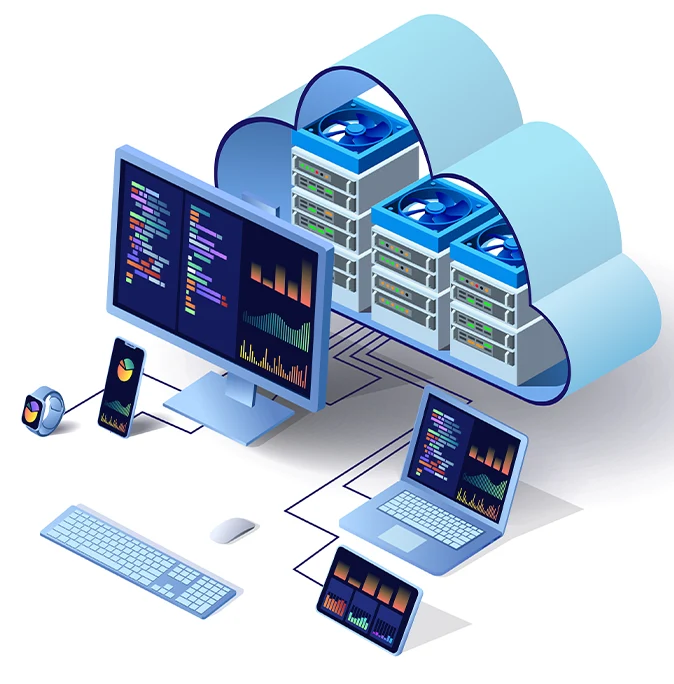
From defining requirements to deployment, software design and custom application development require IT and electronics expertise. Specialized development solutions can support architecture, implementation, testing and other technical aspects.
To develop software solutions and specialized applications, teams can follow structured industrial models and implementation phases. Personalized technical support can help coordinate requirements, development and deployment.